
Integrated and Automated Innovations for Digital Phenotyping and Breeding


This project addresses critical challenges in agricultural phenotyping and plant breeding through the integration of advanced robotics, artificial intelligence, and digital twin technologies. By combining autonomous ground-based robotic platforms with high-resolution sensing and AI-driven analysis, the research aims to enable more precise, efficient, and objective assessment of plant traits in field conditions. The work directly aligns with ARIAM Hub’s mission of developing intelligent robotic systems for inspection and asset management, applying these capabilities to the agricultural domain where continuous, high-resolution monitoring of plant health and development is essential for advancing crop improvement.
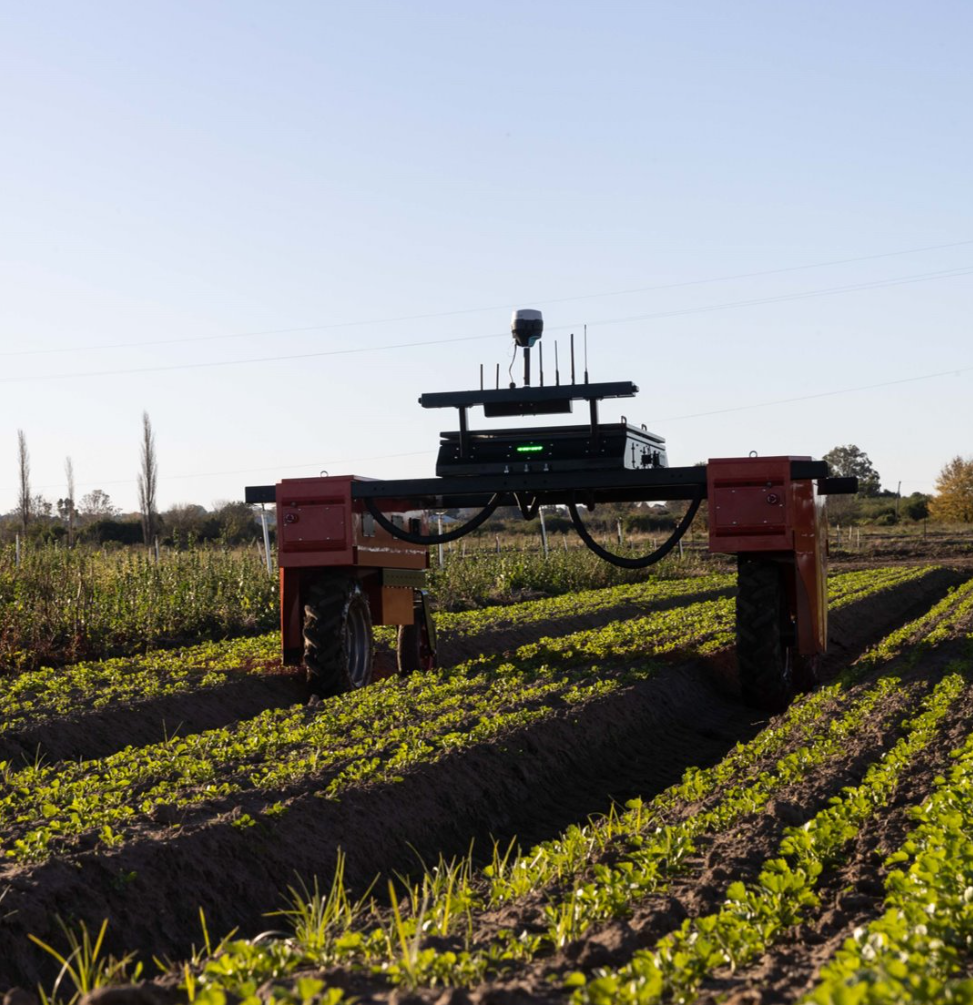
The research focuses on developing scalable methods for automated digital phenotyping across multiple vegetable crops (lettuce, spinach, and carrot), integrating above-ground imaging with below-ground soil analysis to provide comprehensive understanding of plant-environment interactions. By leveraging the Digital Farmhand robotic platform and developing novel AI algorithms and digital twin systems, the project seeks to transform how plant breeders collect and utilise phenotypic data, ultimately accelerating genetic improvement whilst reducing resource requirements.
Research Activities:
- Autonomous Field Navigation and Data Collection: Investigating algorithms for autonomous robot navigation in agricultural field trials, enabling on-demand data collection across diverse growing conditions with minimal soil compaction
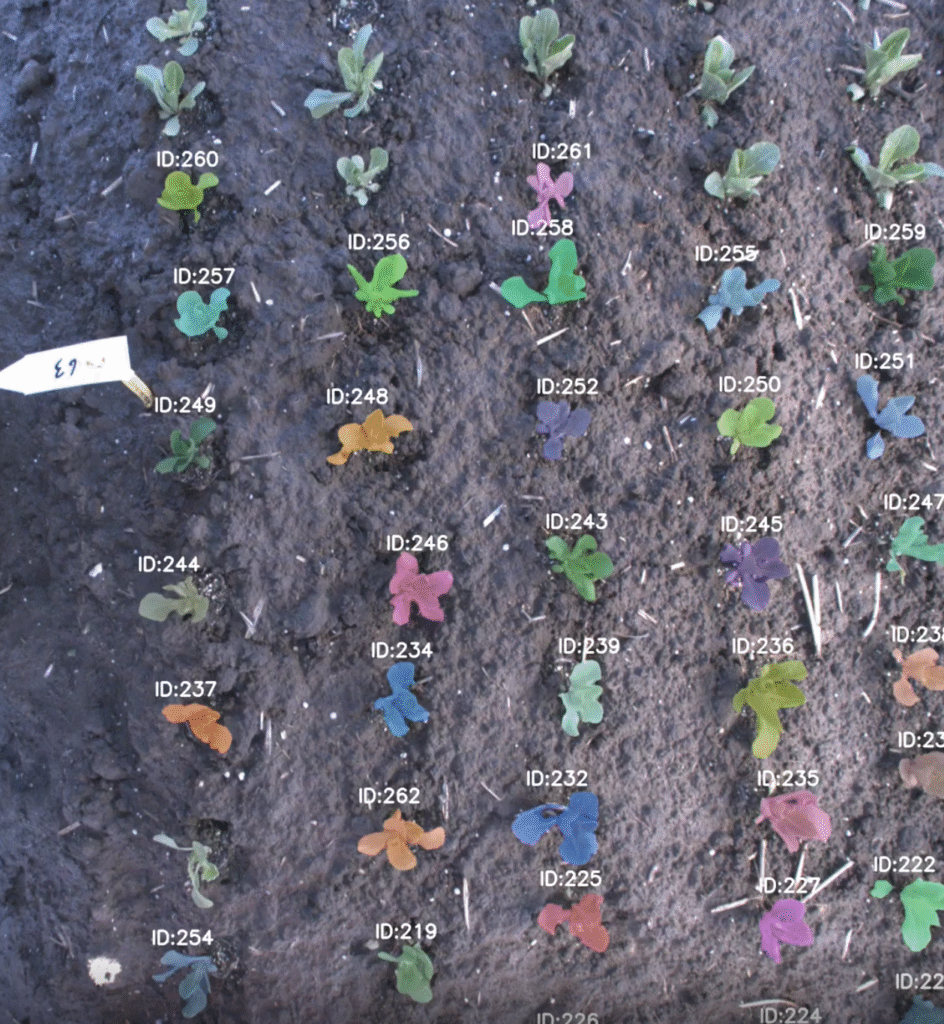
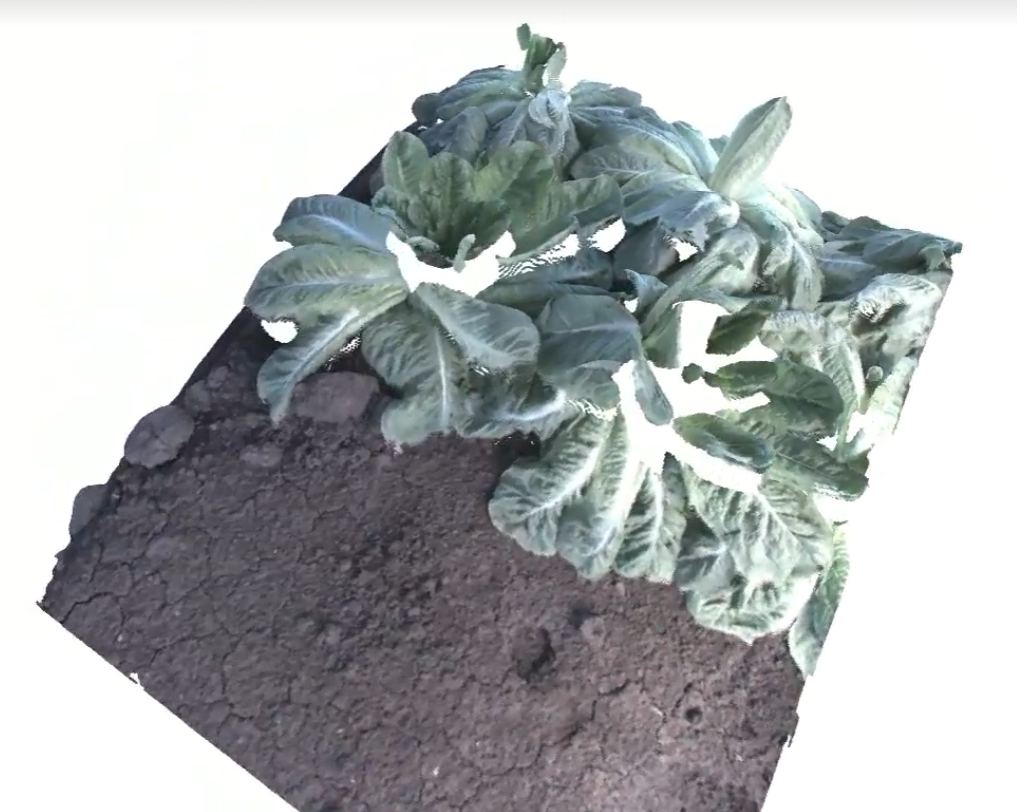
- ·Multi-Modal Sensing Integration: Developing methods to combine data from RGB cameras, multispectral sensors, and mid-wave infrared (MWIR) sensors to capture comprehensive plant phenotypic information at spatial resolutions below 1mm
- AI-Driven Phenotype Recognition: Researching deep learning algorithms for automated detection and quantification of plant traits including growth patterns, leaf morphology, disease symptoms, and stress indicators
- Soil-Plant Integration: Investigating real-time soil sampling systems for measuring water content and macro-nutrient levels, and developing methods to integrate below-ground and above-ground data for holistic plant health assessment
- Digital Twin Development: Exploring dynamic crop models that integrate genotype, phenotype, and environmental data to optimise sampling strategies and predict crop performance under varying conditions
- Temporal Monitoring: Researching approaches for high-frequency data collection to enable continuous growth monitoring and capture of developmental dynamic
Expected Impact:
This research aims to provide the agricultural sector with objective, high-resolution, and automated tools for plant phenotyping that can significantly improve the efficiency and precision of breeding programmes. By reducing reliance on manual phenotyping (targeting 50% labour reduction) whilst increasing measurement frequency and accuracy, the work has potential to accelerate genetic improvement for crop varieties. The integration of robotics and AI addresses fundamental challenges in understanding plant-environment interactions and genotype-by-environment effects, which are critical for developing resilient crop varieties.
Beyond immediate agricultural applications, the project advances robotics and AI methodologies for operating in complex, unstructured outdoor environments with high temporal and spatial data requirements. The digital twin framework being developed contributes to predictive modelling capabilities that could extend to other inspection and monitoring applications within the ARIAM Hub’s broader research agenda.
Associated Researchers
-
Salah Sukkarieh
Chief Investigator
View Bio