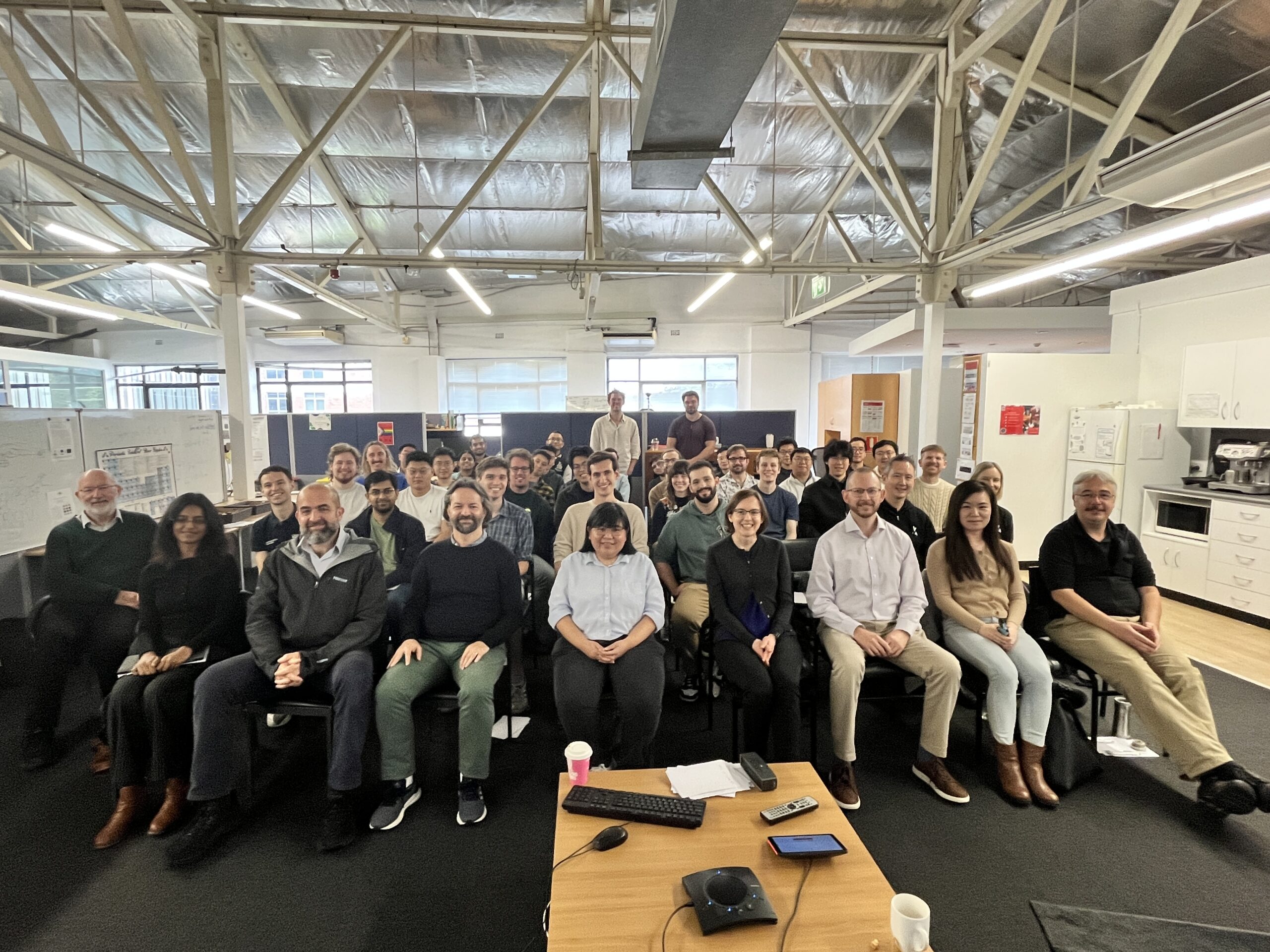
The ARIAM Research Hub hosted our Researcher Development Workshop on May 9th for the research cohort within ARIAM Research Hub and the Australian Centre for Robotics (ACFR). The event brough together experts from across Australia’s robotics and tech community to inspire and equip the next generation of academic researchers and industry leaders.
Samson Lee (Visionary Machines) shared his entrepreneurial journey from PhD student to startup founder—complete with a 16-camera rigged family car.
Dana Kulic (Monash University) delivered a keynote titled “A Serendipitous Sequence of Meeting Amazing People Who Let Me Hang Out With Them and Opened Doors I Never Knew Existed.” Her global career journey highlighted the power of mentorship and the courage to seize unexpected opportunities.
The day included four panel discussions and workshops including Understanding Research Impact, Post-PhD Pathways, Collaboration and Networking Workshop, and a strategic research development workshop. With insights from ARIAM academics as well as guests from Monash, UTS and industry leaders from amongst our partners and CSIRO. The day was a powerful reminder to never stop learning!
The Australian Robotics Inspection Asset Management (ARIAM) Hub is partnering with the Sea Heritage Foundation on an innovative hull repair project for the historic former lighthouse tender MV Cape Don, combining advanced AI robotics with traditional maritime engineering.
The project marks a significant step in the preservation of Australia’s maritime heritage while also contributing to national innovation in naval inspection and repair technologies. Following the successful decontamination and removal of hydrocarbons from the vessel, work has now commenced on assessing and planning critical external repairs along the ship’s wind and water line.
While the MV Cape Don remains structurally sound internally due to earlier restoration works overseen by Thales and naval architects at the Garden Island Dry Dock, the long-term preservation of the vessel depends on addressing wear and degradation to the outer hull. These repairs are crucial in securing the ship’s future as a living maritime museum and training platform.
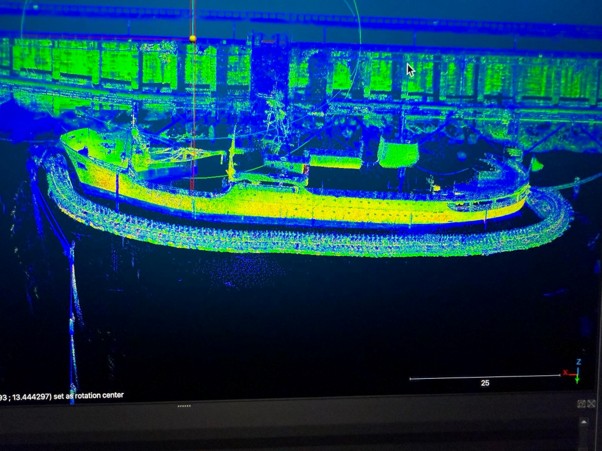
To support this work, ARIAM Hub researchers, in collaboration with experts from Queensland University of Technology (QUT), have deployed advanced drone‑based scanning and mapping technologies to undertake a detailed digital survey of the vessel. Using high‑resolution sensors, the team captured precise 3D scans of the external hull and selected internal compartments.
The scans aid in creating digital models which will form the foundation for engineers and naval architects to develop a comprehensive, fit for purpose scope of works. Specialist contractors will then use this data to design and implement targeted repair solutions, ensuring accuracy, safety, and efficiency throughout the restoration process.
The project reflects a best‑practice approach to asset inspection and management, emphasising expert consultation, rigorous safety standards, and transparent collaboration with local and state government authorities. Importantly, the data generated through ARIAM’s work will also contribute to ongoing national research efforts, supporting future advancements in naval ship battle damage assessment and repair technologies.
Sea Heritage Foundation Chairman Dr CJ Manjarres‑Wahlberg said the project demonstrated the powerful intersection of heritage preservation and modern technology.
“This project is an extraordinary example of how a heritage preservation project and modern technology can come together to create lasting benefits,” Dr Manjarres‑Wahlberg said. “It’s 1960s technology and state‑of‑the‑art AI working hand in hand. We are not just restoring a ship; we are actively contributing to helping future‑proof Royal Australian Navy vessels through the work we are involved in.”
Thanks for the ongoing support of North Sydney Council, the ARIAM Hub, NSW Maritime, the Port Authority of NSW, Thales Australia, and Gibson Minto in enabling this project.
We are pleased to support a project that demonstrates how heritage preservation and modern AI robotics can work hand in hand to deliver lasting impact.
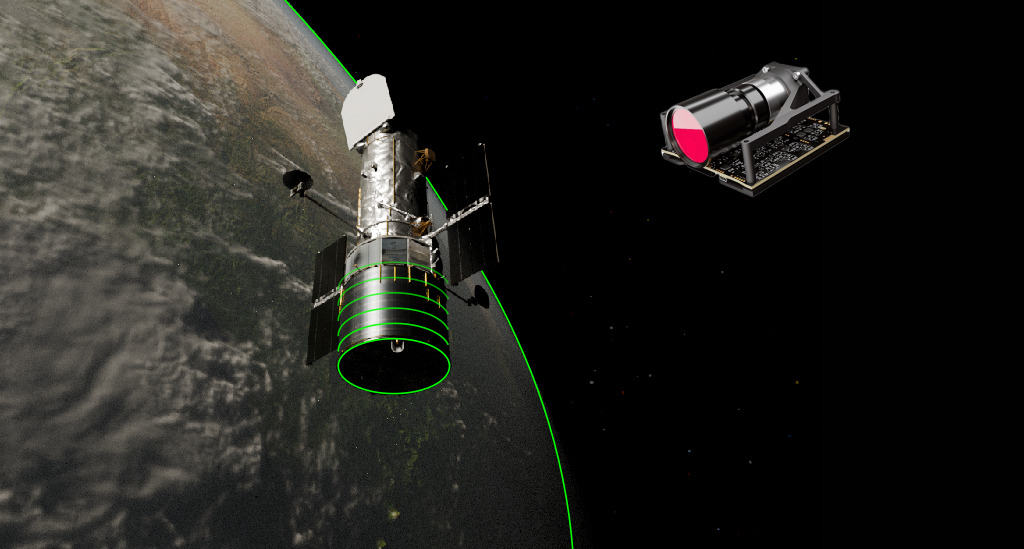
Congratulations to ARIAM Chief Investigator, Dr. Donald Dansereau on the successful award of a NVIDIA Academic Grant to support his research project on Physics-Based Simulation for Robotic Vision in Extreme Environments. This research explores the use of physics-based simulations to design advanced imaging systems for robotic vision in extreme environments such as space and underwater. By leveraging NVIDIA‘s cutting-edge ray-tracing and deep learning platforms, the project aims to develop new kinds of sensors for challenging tasks like satellite inspection and underwater mapping. This innovative work has the potential to enhance robotic performance in critical applications, including infrastructure monitoring and environmental conservation.
We are delighted to announce a significant new partnership for the ARIAM Research Hub!
In an extensive multi-year collaboration led by Prof. Salah Sukkarieh, ARIAM will join forces with roboticists, AI experts, and plant breeders from Rijk Zwaan to revolutionize crop breeding operations. This partnership will leverage cutting-edge robotics, advanced sensing, and digital twin technologies.
Rijk Zwaan, a global leader in vegetable breeding, is a family-owned company renowned for its innovation and research excellence. With over 4,000 employees, Rijk Zwaan dedicates 30% of its annual revenue to R&D, driving global advancements in agriculture. This collaboration is a fusion of innovative research, technical expertise, and practical application. By bridging the gap between academia and industry, we aim to deliver
impactful agricultural robotic and AI solutions. Our goal is to enhance crop breeding efficiency, improve sustainability, and address future food production challenges.
We believe that Rijk Zwaan will be a fantastic addition to the ARIAM partner cohort and there are strong research synergies with current projects that we look forward to exploring further.
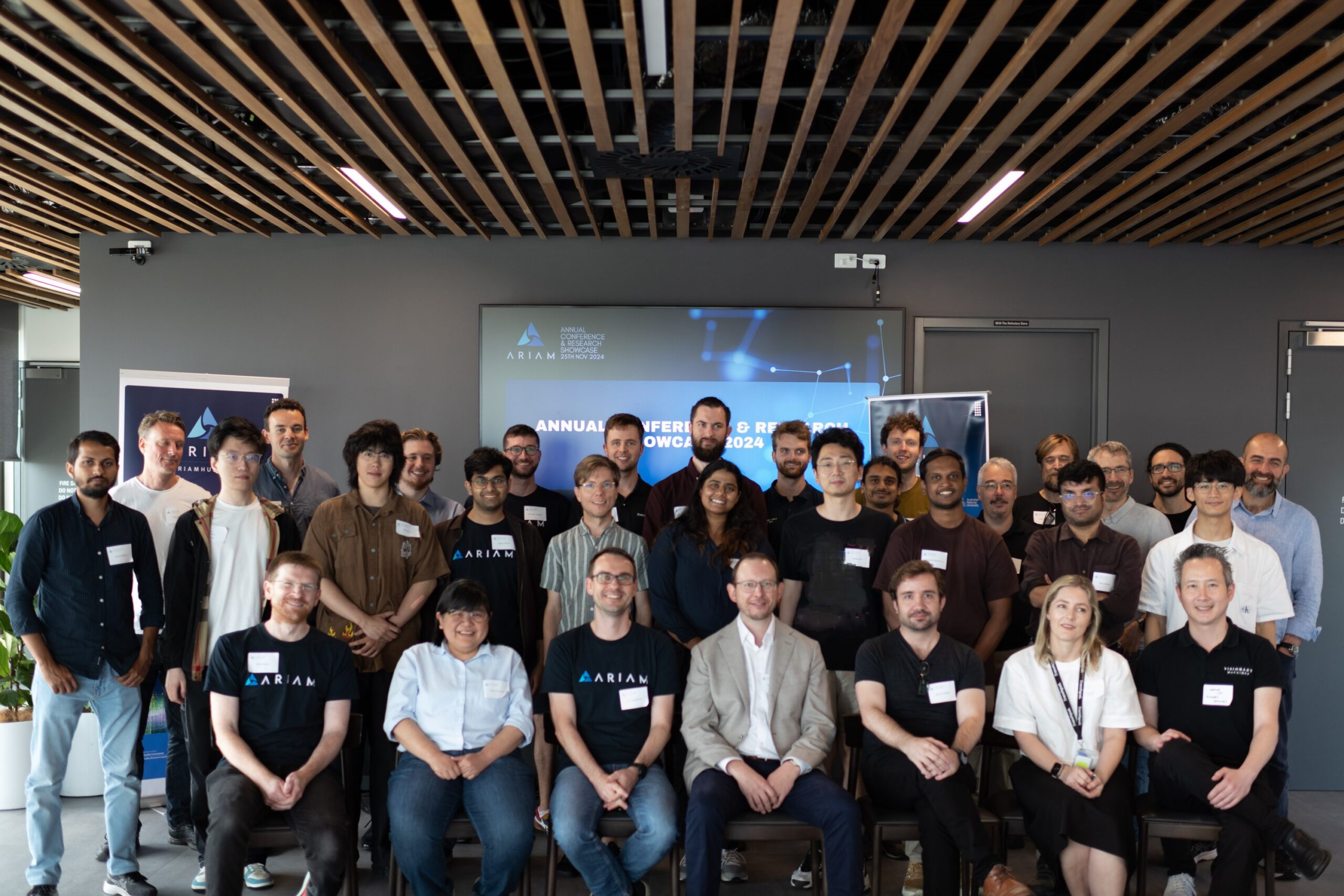
To round up the year, we hosted our first Annual Conference and Research Showcase at the University of Sydney’s Business School, on November 25th. The day was a great success and provided our research team with the opportunity to present their research projects, via lightning talks and poster presentations and discuss their opportunities as well as challenges. We hope that this event will help foster broader collaboration across the Hub.
The conference was opened by Prof. Julie Cairney, Interim DVCR at the University of Sydney and ARIAM Board Member. A special thanks to Dr. Michael Bewley, VP of AI & Computer Vision – Nearmap, for an inspiring presentation on the evolution of AI at Nearmap. Our Director, Prof. Ian Manchester, shared key achievements and highlights for 2024, Prof. Niko Sünderhauf introduced us to exciting innovations in robotics research, and Prof. Stefan Williams facilitated a strategy session to co-design the next set of projects in our collaborative demonstrator program.
The event was a wonderful way to end an exciting year of research collaboration and to celebrate our collective achievements. We look forward to more opportunities to come together as a team, including our partners and key stakeholders, in 2025.
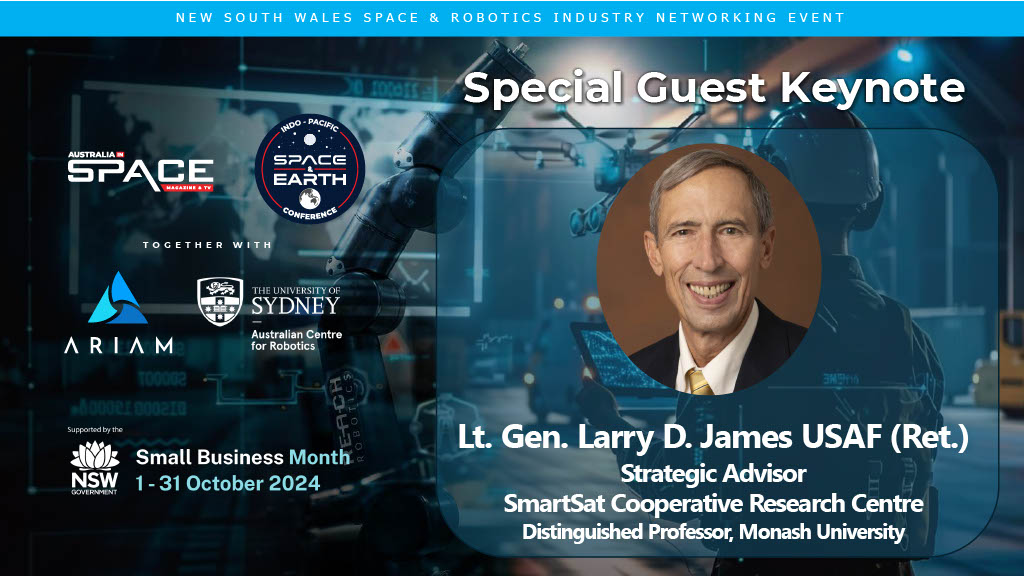
In collaboration with the Australian Centre for Robotics (ACFR) and MySpaceMedia, we hosted our annual industry-networking sundowner event in
October at the ACFR Labs, University of Sydney. We were delighted to welcome Lt. Gen Larry James as our keynote speaker, and listen to guest panellists Aude Vignelles, Michal Weiss & Navinda Kottege. They were joined by our Director, Prof. Ian Manchester and Prof. Salah Sukkarieh, to discuss Cross Sector Operations and Robotics and its applications in the space, agriculture and defence sectors.
ACFR PhD students Jack Naylor and Tara Bartlett presented their respective research projects in Building New Representations, Algorithms and Sensors to Help Platforms Operate Safely and Robustly in Space (Jack) and Footstep Planning For Agile Bipedal Robots (Tara).
It was great to be joined by so many current and emerging members of the Australian robotics community.
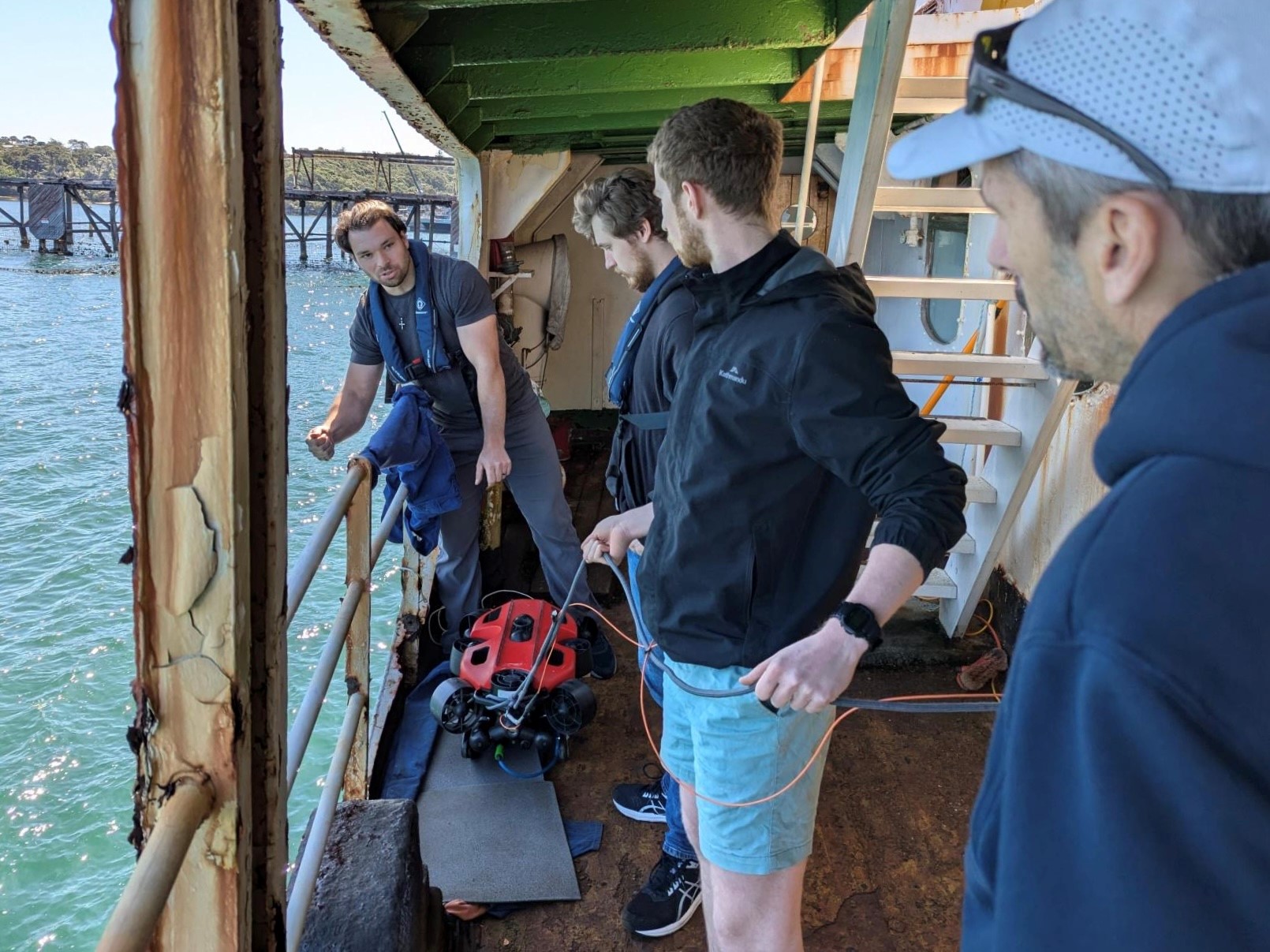
ARIAM Hub Researchers joined by the Reach Robotics team, kicked off our Robotic Capability Demonstrator Program on August 28-29th on the MV Cape Don at the Old Coal Loader Centre, Waverton. Despite high winds, our researchers and collaborators were able to deploy ROVs to conduct trials and collect the first datasets of the MV Cape Don vessel. The Reach team collected sonar data and stereo imagery, conducting a brief survey of the prop and hull. The data collected during this trip plus other models including those collected by Trendspek will lay the foundation to create a digital twin of the vessel. It provided the Cape Don crew with their first opportunity to get a glimpse of the current condition of the ship’s hull.
We will be returning in October 2024 to perform new forms of surveying the above water areas of the vessel using the Emesent Hovermap LiDAR scanner.
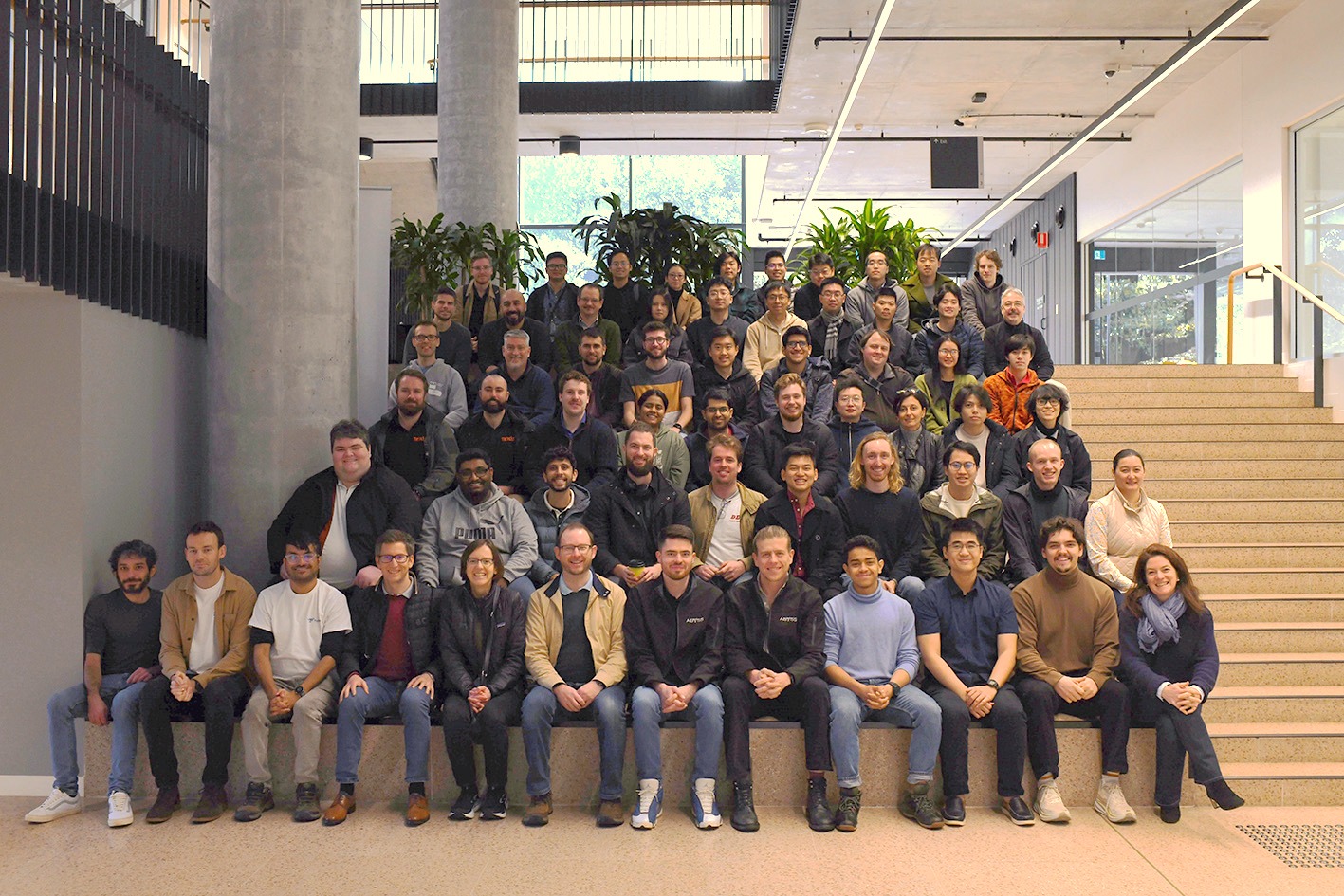
The ARIAM Team was thrilled to host the inaugural Australian School for Robotic Systems (AuSRoS 2024). From July 2nd to 5th, participants were treated to 4 packed days filled with lectorials, workshops and deep dives from leading academics in robotic systems and related areas. The school, held at the University of Sydney, brought participants from Australia’s top universities and industry professionals from ARIAM’s partner cohort, together for an immersive learning experience.
The program was designed to provide participants with an opportunity to learn about the foundations of robotic systems, hear from high-profile speakers and engage with peers in both industry and academia. Foundational lectures were presented by leading academic researchers and covered the basic elements of robotic systems including:
Sensing and Perception Presented by Dr. Mitch Bryson, Dr. Donald Dansereau, and A/Prof. Thierry Peynot, this track covered essential topics such as sensors, localisation and mapping, and sensor fusion.
Reasoning and Planning Dr. Rahul Shome, A/Prof. Patrik Haslum, and Prof. Hanna Kurniawati guided participants through the basics of reasoning and planning, manipulation planning, and planning under uncertainty.
Control and Estimation A/Prof. Guodong Shi and Prof. Ian Manchester led sessions on single-joint control, rigid-body state estimation, and multi-body robot control, providing an overview of control and estimation techniques.
Robotic Learning Dr. Feras Dayoub and Prof. Tat-Jun Chin presented on the importance of simulation in robot learning, bridging the reality gap, and foundational models in robotics.
Complimenting the foundational track sessions were daily ‘deep dive’, intensive sessions covering the state-of-the-art in the science and systems of robotics, led by top Australian and international experts. Science sessions included drones in cluttered, open-ended environments by Prof. Stefan Leutenegger, human-robot interaction by Prof. Dana Kulić, and uncertainty in robotics by Prof. Tom Drummond. Systems Deep Dive sessions on agricultural robotics by Prof. Salah Sukkarieh, intelligent transportation systems by Dr. Stewart Worrall, and marine robotics by Dr. Gideon Billings and Dr. Lachlan Toohey.
A standout moment of AuSRoS was the hands-on activity with the Robot Operating System (ROS) led by Dr. John Vial. This session provided practical experience with ROS, to enhance our participants’ skills and confidence in this important subject. An in-depth course can be found via Start Creating Robots site, contact John for more details.
Overall, the feedback has been overwhelmingly positive from both participants and speakers. Thank you to all the presenters, participants, and organisers for making this event a resounding success. We look forward to building on this success in future editions of the program.
On 2 November 2023, The University of Sydney officially launched the Australian Robotic Inspection and Asset Management Hub (ARIAM) which researchers say will transform the way important assets are handled.
ARIAM ribbon cutting. [Credit: University of Sydney/Stefanie Zingsheim]
ARIAM’s work will reduce the need for people to enter dangerous or hazardous locations to maintain assets such as tunnels and underwater infrastructure. It will also help manage the looming ‘infrastructure cliff’, which will see many post-World War II infrastructure assets approach their end of life.
Its work will lead to accurate and timely data collection, enhance safety, minimise disruption during maintenance and improve the efficiency of industry.
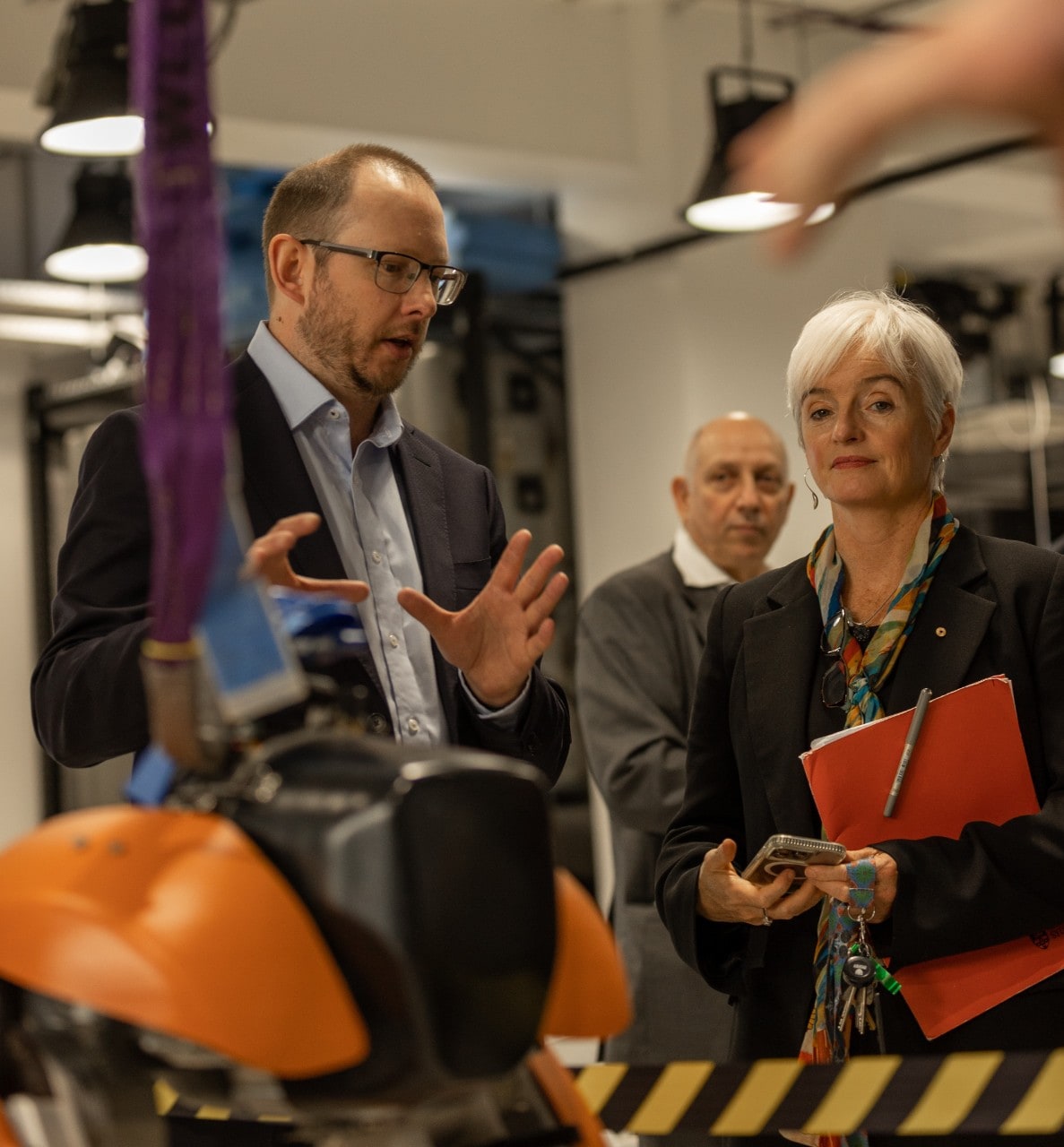
Professor Ian Manchester, left, Professor Emma Johnston, right. [Credit: University of Sydney/Stefanie Zingsheim]
“This initiative marks a significant leap forward for robotics and will change the way industry operates,” Professor Manchester said.
“With new designs we can eliminate the risk of injury associated with manned operations to inspect remote or dangerous areas, such as tunnels or underwater infrastructure, and enter previously inaccessible areas.”
Professor Stefan Williams from the Australian Centre for Robotics and School of Aerospace, Mechanical and Mechatronic Engineering, said: “Australia faces a critical situation, with many of its post-World War II infrastructure assets rapidly approaching the end of their 50 to 80-year lifespan.
“This ‘infrastructure cliff’ presents a mounting maintenance backlog and the nation’s productivity and global competitiveness depend on efficient infrastructure networks.
“Our work has applications in public sector infrastructure, including roads and utility networks, but also in renewable energy, space, mining, and land care.”
The hub’s researchers said ARIAM will work with industry partners to develop robotic systems with unprecedented capabilities. Systems including aerial, marine and legged robots will demonstrate those skills in field trails.
“We will collaborate with Australian industry to tackle critical challenges within the robotics sector, ultimately paving the way for the development, manufacturing, and successful exportation of Australian robotics and autonomous technology to a growing global market,” Professor Stefan Williams said.
ARIAM’s mission is to equip robots to autonomously collect data, creating a real-time representation of physical assets through ‘digital twins’: virtual models created with data collected by the robots. With the right sensors, robots can capture various aspects of a physical asset, such as its structural integrity, temperature, movement and other relevant symptoms. This data is integrated into the digital twin in real-time.
ARIAM’s projects have garnered interest from 15 industry partners including Thales, Reach Robotics, Abyss Solutions, and Nearmap. In one example, Nexxis is developing a spider-like robot with magnetic feet, capable of crawling around metal structures and inspecting them for damage.
“This partnership enables the next evolution of naval sustainment. With ARIAM Hub we will be able to capture decades of knowledge and create an efficient and agile environment through automation and modelling,” said Andrew Seale, Sales Director at Thales Above Water Systems.
ARIAM is an ARC Research Hub hosted by the University of Sydney in partnership with Queensland University of Technology and The Australian National University.
The hub will leverage interdisciplinary research and foster collaboration between academics and industry, advancing robotics, sensing, planning, data processing and machine learning technologies.
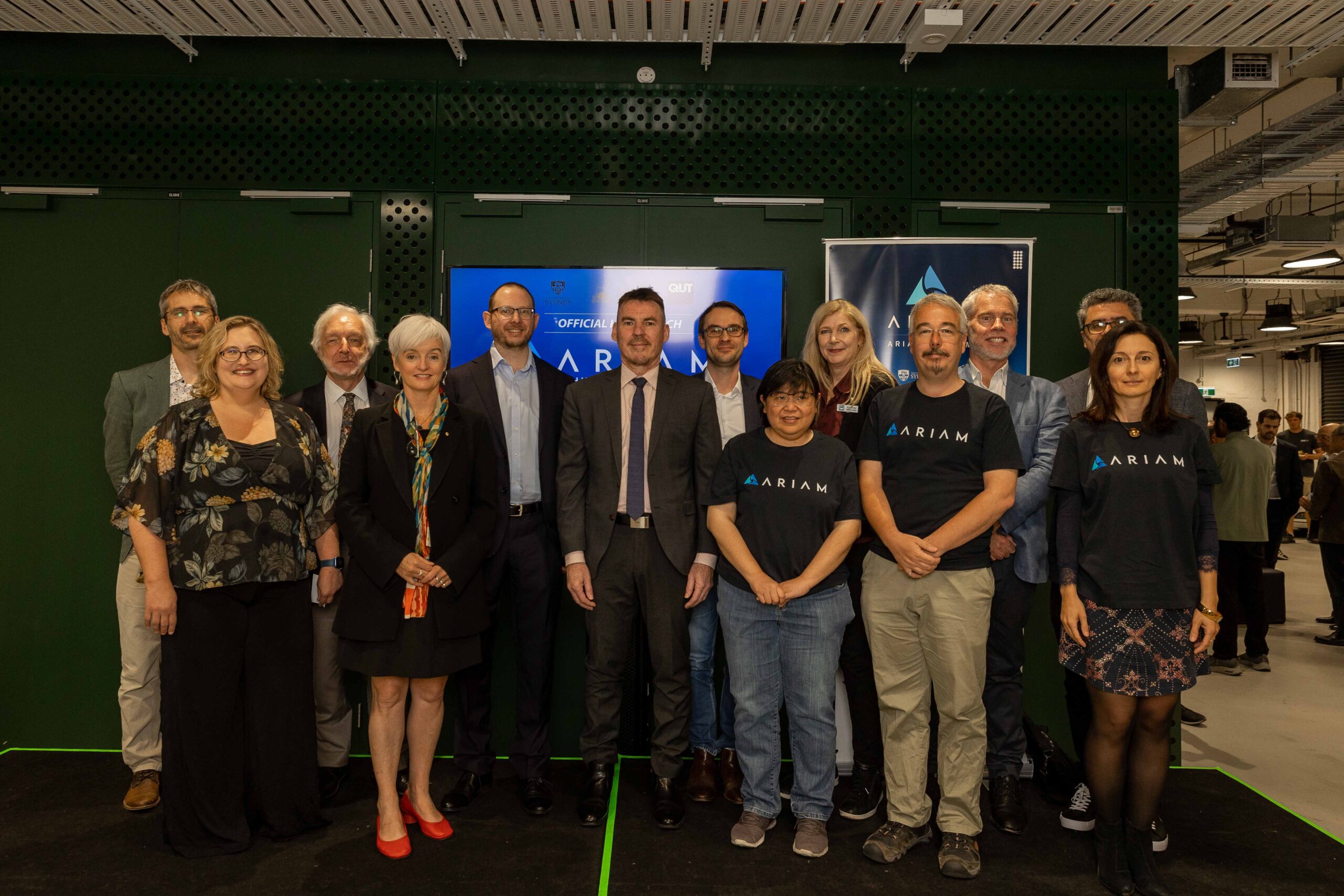
ARIAM launch event: The official launch of ARIAM, formally known as the ARC Research Hub in Intelligent Robotic Systems for Real-Time Asset Management, took place at the University of Sydney, on November 2 at 12pm, at the Australian Centre for Robotics in Chippendale.
Industry leaders, academics and government representatives converged for the event which included keynote speeches, industry panels and live demonstrations of cutting-edge robotic technologies.
ARIAM Chief Investigator and node lead for our Sensing and Perception theme, Dr. Donald Dansereau, was recently interviewed by Trendspek to feature in a post on their website. Read more about this exciting research collaboration in the transcript below:
Trendspek has joined ARIAM Research Hub to collaborate on a three-year program of research into infrastructure modelling for visually challenging aspects, such as glass facades, windows, water, and other reflective materials.
The project seeks to advance the field of computer vision in difficult environments and develop new capabilities for autonomous intelligent robotic systems for asset inspection and management, such as developing robots that can inspect assets in real-time to provide a digital twin.
We spoke with Dr. Don Dansereau from ARIAM Hub about the partnership and the future of AI in infrastructure.
How will ARIAM Hub and Trendspek work together to research solutions for visually challenging assets?
The immediate focus is a three-year program improving imaging of assets with reflective surfaces: glass windows, water and other reflective materials. The approach will consider the physics of image formation and representations capable of handling high-dimensional ray-based appearance, enabling existing toolchains to cope with reflective objects.
We’ll use Trendspek’s wealth of knowledge and insights to identify and propose practical solutions to the deep challenges underlying this problem.
What emerging AI systems can the infrastructure industry look to benefit from?
Intelligent systems are poised to play a critical role, particularly in countries like Australia with extensive and ageing infrastructure and a relatively small workforce to maintain it.
ARIAM is working towards automating aspects of understanding and maintaining these assets, both with physically embodied platforms that measure and interact with the world, and in the behind-the-scenes smarts that identify and understand changes and maintenance needs over time.
Why is it important for Universities and industry parties to partner on this research?
Relevant and impactful research happens best when experts from the front line of industry work with academics with access to deep knowledge and researchers eager to solve challenging problems. The two can work together to identify and solve deep and practical problems that would not otherwise be addressed.
What inspires you about Trendspek’s Precision Reality Twin technology?
What struck me most is the level of fidelity and responsiveness of Trendspek’s technology, even when faced with massive and highly detailed assets. It feels like something from the future, and I look forward to helping make it even better.
There have been mixed opinions on the rise of AI. What impact do you think AI will have on infrastructure in the next 10 years?
AI’s impacts have been different from our expectations, and in the next 10 years I suspect that trend to continue. For example, learning institutions are rapidly adapting to students having access to powerful AI tools, and society as a whole is raising important questions about the relationship between AI and humanity.
I view AI as a tool that we wield, calling for both optimism and caution. While there is extensive potential for misuse, responsibly applied AI amplifies our capacity to achieve goals driven by human purpose, motivation, and ambition.
L-R: Josh Sinclair, Bridget de Pelleport, Fiona Church, Dr. Ian Manchester, Dr. Donald Dansereau
About Trendspek
Trendspek is leading a revolution of asset management with its innovative 3D software solution, empowering industry leaders, asset owners and engineers with the ability to digitally uinspect infrastructure and streamline their full asset lifecycle. Transform hundreds of thousands of data points into interactive 3D models to safely audit, collaborate and report on your assets to minimise risk and maximise lifespan — all without leaving your desk.

![ARIAM ribbon cutting. [Credit: University of Sydney/Stefanie Zingsheim]](https://www.sydney.edu.au/dam/corporate/images/news-and-opinion/news/2023/november/ariam-ribbon-cutting.-credit-university-of-sydney-and-stefanie-zingsheim.jpg/_jcr_content/renditions/cq5dam.web.1280.1280.jpeg)
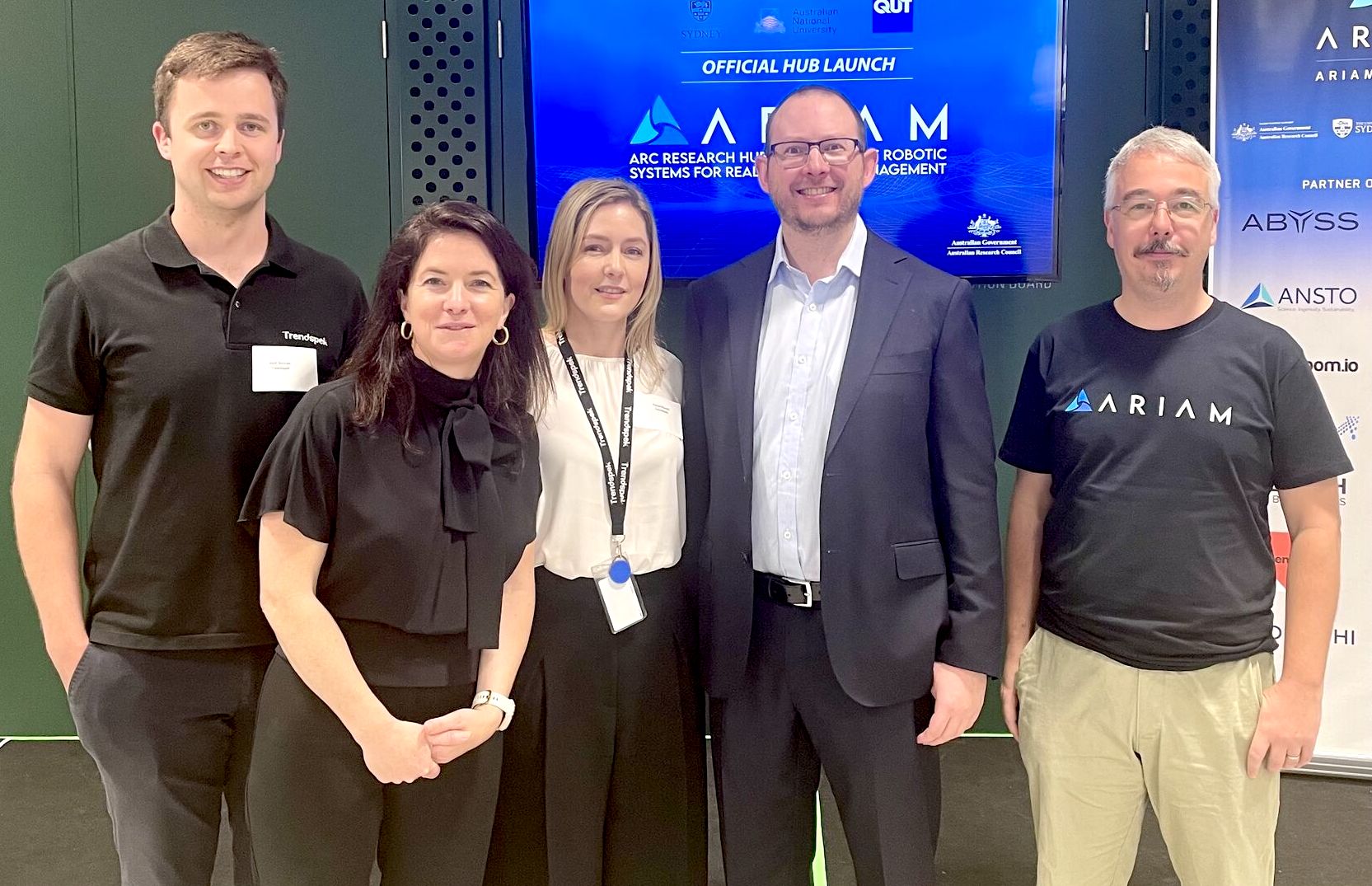 L-R: Josh Sinclair, Bridget de Pelleport, Fiona Church, Dr. Ian Manchester, Dr. Donald Dansereau